
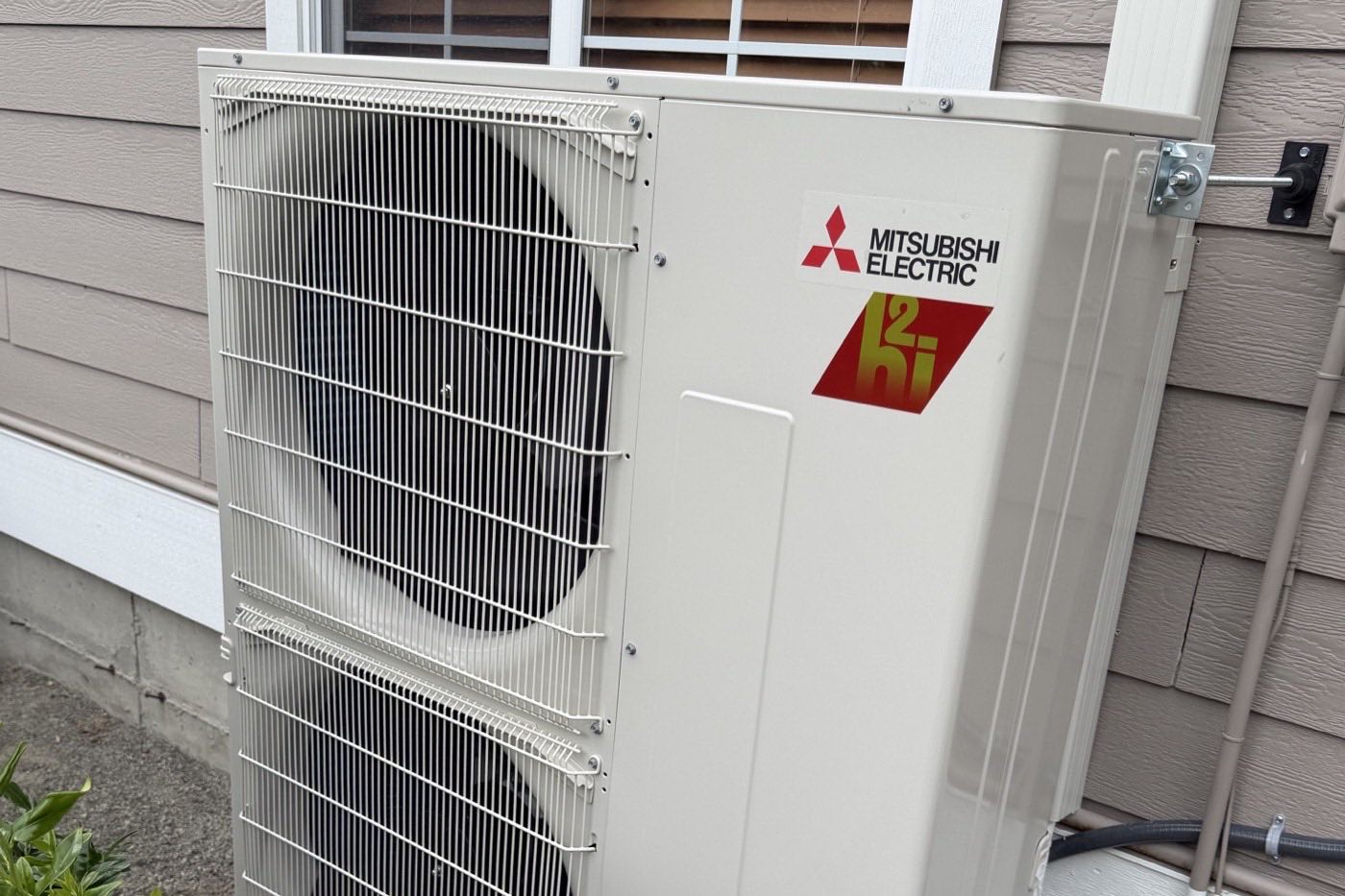
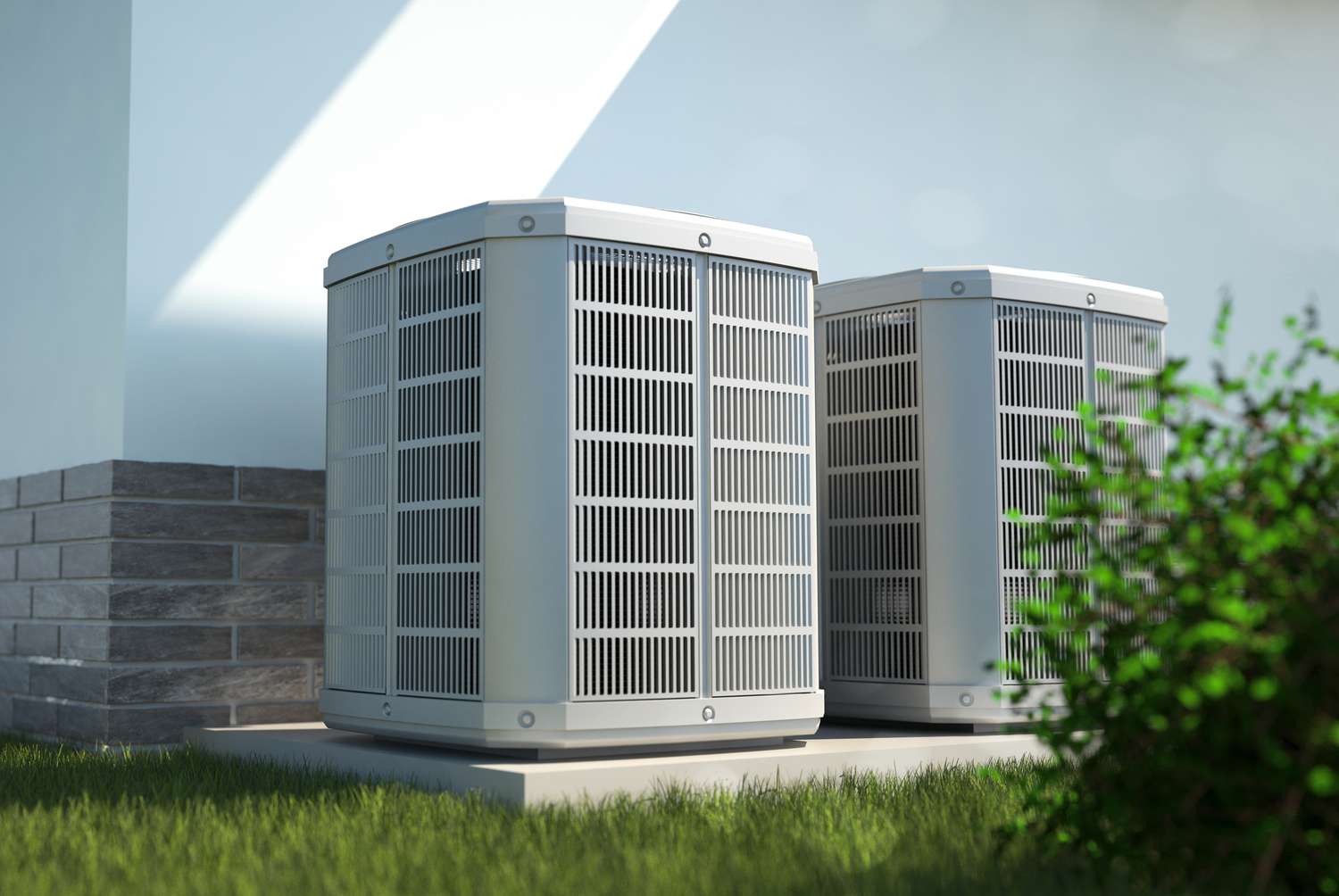
Heat pumps are renowned for their energy efficiency, offering both heating and cooling in one versatile and cost-effective package. Genesis has been a leader in HVAC solutions for well over a decade, providing new installations to homes and businesses throughout the Puget Sound.
With expert installation and maintenance services, Genesis ensures optimal performance, energy savings, and year-round comfort. Our commitment to innovation and customer satisfaction establishes us as a premier provider of heat pump solutions, empowering our customers with reliable, environmentally conscious, and efficient climate control for their living spaces.
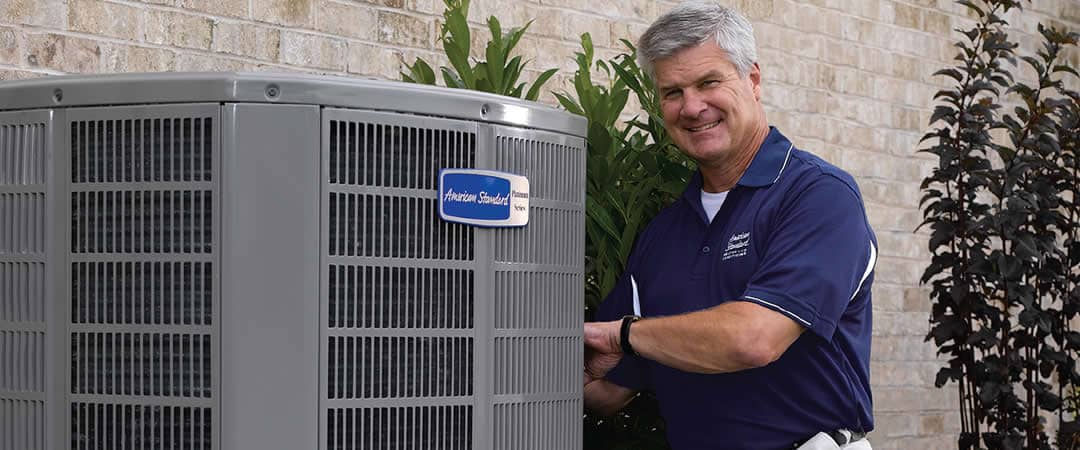
Our expert technicians commence with a thorough assessment of your property, determining the ideal system size and configuration. With precision and efficiency, we install the heat pump, connecting it to your existing HVAC infrastructure.
Genesis guides you through every step, providing clear communication and transparent pricing. Our commitment to excellence extends to post-installation support, offering maintenance services to guarantee optimal performance. Choose Genesis as your reliable partner, making the transition to a more energy-efficient and comfortable future.
Mitsubishi Electric, American Standard, RunTru by Trane, and Midea. We are a Mitsubishi Electric Diamond Preferred Contractor — the middle of their three tiers, above Diamond Contractor — and an American Standard dealer. Which brand suits your house depends on the job — we will tell you when the cheaper line is genuinely enough.
Yes. We repair and service every brand, whatever the last company put in — the badge on the front does not decide whether we can help. The four brands we install are a separate thing: those are the lines we install and warranty. What can genuinely get in the way is parts on very old or discontinued equipment, and if that is the situation we will tell you before you are into it, not after.
Yes — through Synchrony and Hearth, with plans running from 6 months to 132 months, including several at 0% APR. There is no prepayment penalty on any of the plans, so paying it off early costs you nothing extra. Real monthly figures for your project size are on the financing page; they are calculated from the actual plan terms rather than estimated.
No. The 30% federal credit worth up to $2,000 — Section 25C — ended for any system placed in service after 31 December 2025, and there was no phase-down or transition rate. "Placed in service" means installed and running, not ordered or contracted. A lot of contractor websites still advertise it; ours does not, and our 2026 incentives guide covers what genuinely remains.
It depends on who sends your electric bill, and we will tell you the honest answer before you commit to anything. If you are a Puget Sound Energy customer, yes — we are a PSE Trade Ally, which is what PSE's certified-installer requirement means as of 2 April 2026, and it disqualifies a lot of contractors. If you are on Snohomish County PUD, their heat pump rebates require the contractor to both install the system and file the application, and that needs a rebate registration Genesis does not hold. We are listed in the PUD's contractor directory, but that listing is a different thing and we will not let it imply otherwise. If that rebate decides your project, ask any contractor whether they can actually file the PUD paperwork — not just whether they are PUD-listed. We would rather say that here than on the phone. Full detail in our incentives guide.
Yes — replacing a furnace, heat pump or air conditioner is mechanical work and needs a permit in every jurisdiction we serve. Which office issues it depends on your address, not just your mailing city. Each incorporated city runs its own — Monroe, Snohomish, Lake Stevens, Everett, Sultan, Gold Bar and Duvall all issue their own mechanical permits — while unincorporated addresses go through Snohomish County PDS or King County, and Index and Skykomish issue their own. Tell us your address and we will tell you which one applies to you.
Yes, and this is close to the ideal climate for one. Modern inverter-driven and cold climate heat pumps produce useful heat well below freezing, and our winters here are mild and wet rather than deeply cold — the design conditions that give heat pumps trouble in Minnesota do not occur in the Snohomish valley. Up the US-2 corridor it gets colder and the equipment selection matters more, which is why we size for your elevation rather than for the county.
It depends mostly on what you heat with now. If your house runs on electric baseboard or wall heaters, a heat pump is close to a straight win: resistance heat gives you about one unit of heat per unit of electricity and a heat pump gives you roughly three, and that difference repeats every cold month for the life of the system. If you have a working gas furnace, the math is closer and depends on your gas and electric rates — and a heat pump also gives you cooling, which a furnace never will. We will walk through both rather than steer you.
Whatever a load calculation says — not what is there now, and not square footage times a rule of thumb. A proper Manual J load calculation accounts for insulation, window area and orientation, air leakage, ceiling height and your actual design temperature. It matters more than people expect: an oversized system short cycles, never runs long enough to even out temperatures or pull humidity, wears its compressor out faster, and costs more to buy. “The old one was a four-ton so we will put in a four-ton” is how an original sizing mistake gets inherited for another twenty years.
Fifteen to twenty years is normal for a maintained system in this climate, and our conditions are gentler than most of the country — no long stretches of extreme heat or deep cold to work against. Two local exceptions. Near the water in Everett, salt air is hard on outdoor coils and shortens the outdoor unit specifically. Up the valley, snow load and drifting mean a unit that sits too low spends part of the winter buried, which is a mounting-height question at install time, not a repair later.
Less than a salesperson in Phoenix would tell you. SEER2 measures cooling efficiency, and our cooling season is short — so the payback on a very high SEER2 number is slow here, because you are buying efficiency for weeks of the year rather than months. HSPF2, the heating figure, is the one that matters in this climate, along with how the system behaves at low temperatures. Federal minimums already set a floor; the money is usually better spent on correct sizing, sealed ducts and a variable speed or two-stage system that runs long and quiet than on chasing the top of the efficiency chart.
They tend to win different jobs. Mitsubishi Electric is the stronger answer for ductless and inverter-driven work — mini splits and multi-splits, additions, houses with no ductwork, and anywhere you want room-by-room control; we are a Diamond Preferred Contractor. American Standard is a straightforward choice for conventional ducted systems, gas furnaces and matched heat pump systems, and RunTru sits below it when the budget is the constraint and the job does not need the top line. We will tell you when the cheaper line is genuinely enough.
If your ductwork runs through a crawlspace or an unheated attic — which most of it does in houses around here — then it is worth having looked at before you spend money on equipment. Leaky, disconnected or uninsulated ducts dump conditioned air into spaces nobody lives in, and the usual symptoms are one room that never keeps up, an air handler that runs constantly, and dust that comes back a week after cleaning. Duct sealing, duct repair and adding proper zoning or dampers frequently do more for comfort than replacing a system that was working.
In cold weather that is usually correct behavior, not a fault. Heat pumps are designed to run long, low-output cycles rather than the short blasts a gas furnace makes, and a system running steadily while holding your set temperature is doing exactly what it should. It is a problem when it runs constantly and still loses ground, or when the auxiliary or emergency heat light stays on for hours — that points to a refrigerant issue, an iced outdoor coil, a defrost failure, or a thermostat set back so aggressively that the system gives up and calls for backup heat.
A layer of frost on the outdoor coil in winter is normal, and the unit clears it on its own with a defrost cycle every so often, usually with a whoosh and some steam. What is not normal is solid ice that never clears, ice encasing the whole unit or the fan blades, or a coil that is frozen in cooling season. Those mean a defrost control failure, a blocked drain, restricted airflow or low refrigerant. Do not chip at the ice — you will puncture the coil, which turns a repair into a replacement. Turn the system off and call.
Once a year at minimum, and twice is better for a heat pump specifically — because unlike a furnace it works year round, in both directions. The usual pattern is heating-season service in the fall and a cooling check in the spring. Most manufacturer warranties require documented annual maintenance, so it is also the paperwork that keeps a warranty claim from being denied.
Three things decide it: age against expected life, what this repair costs relative to a replacement, and whether it is the first repair or the third. A fifteen-to-twenty-year-old system needing an expensive part is usually a replacement conversation; a ten-year-old system needing a $200 part is not. Worth factoring in that a high efficiency furnace or heat pump costs less to run every month you own it, which shifts the arithmetic on a borderline call. Two things force the answer — a cracked heat exchanger, which is a carbon monoxide risk and is never worth repairing around, and older equipment on a discontinued refrigerant, where the refrigerant costs more than the repair. We will tell you which conversation you are actually in.
Two separate things, and it is worth knowing which is which. The manufacturer covers the parts, and that term comes from Mitsubishi Electric or American Standard rather than from us — registration is usually required, and we handle it. The labor warranty is ours: one year on any install, and ten years if you are on one of our maintenance plans. That is the honest reason the plans exist. A part being free does not help much when the labor to fit it is not, and the plan is also what keeps the manufacturer's parts coverage valid, since most warranties require documented annual maintenance. See our maintenance plans.
Repairs, maintenance, or a new-system walkthrough — schedule in a few taps or give us a call.