
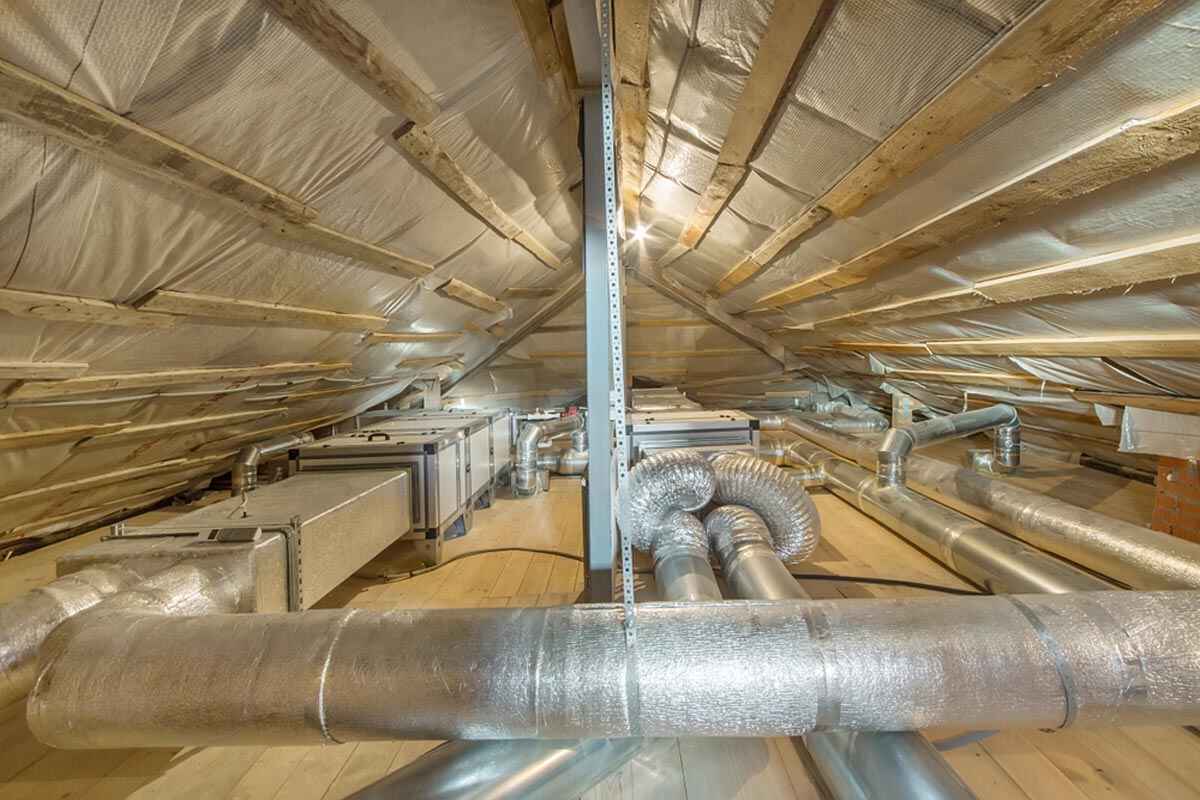
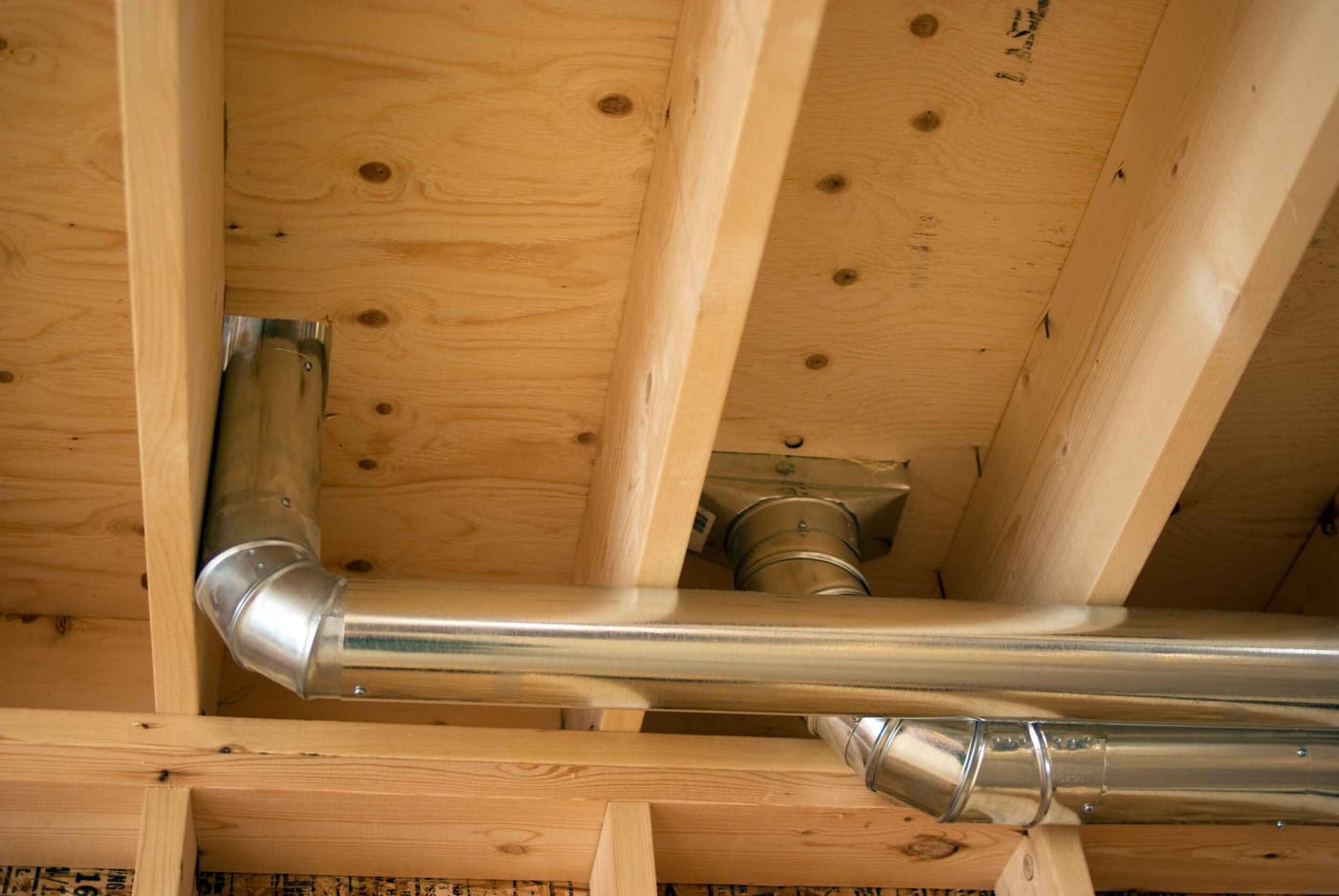
Ventilation and filtration solutions play a crucial role in maintaining a healthy indoor environment. Effective ventilation ensures the constant exchange of fresh outdoor air, reducing indoor pollutants and preventing the buildup of contaminants. Quality filtration captures particles like dust, allergens, and microbes, enhancing air quality and safeguarding respiratory health.
These solutions not only promote well-being but also contribute to increased energy efficiency and HVAC system longevity. Genesis understands the significance of clean and well-ventilated spaces, offering tailored solutions to ensure optimal air quality, creating a comfortable and safe environment for homeowners.
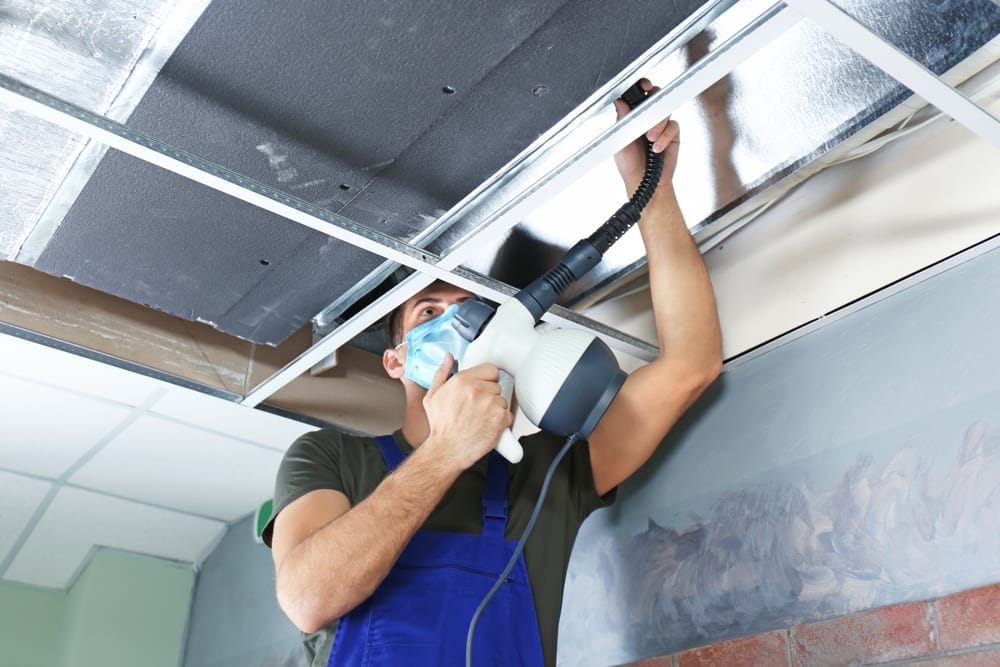
Technological advancements like air scrubbers and UV lights, coupled with best-practice maintenance programs with regular filter changes and inspections can significantly enhance ventilation and filtration in indoor spaces. Air scrubbers actively remove pollutants, ensuring cleaner air circulation. UV lights neutralize bacteria and viruses, contributing to a healthier environment.
Genesis simplifies the process of choosing the right ventilation and filtration solutions for your needs. Our expert team conducts thorough assessments of your indoor environment, considering factors like air quality, system efficiency, and your specific requirements. With this information, we guide you in selecting optimal technologies and maintenance programs to ensure your clean air lasts.
A standard one-inch filter every one to three months; a four- or five-inch media cabinet filter every six to twelve. Shorten that if you have pets, allergies, or construction going on nearby. One thing worth knowing: a very high MERV filter in a system not designed for it restricts airflow and can cause the exact overheating and short cycling it was meant to prevent, so higher is not automatically better. If you cannot see light through it, it is overdue.
In this order: control the source, then ventilate, then filter — buying an air purifier while a crawlspace is venting into the house is solving the wrong problem. Practically that means sealing duct and floor leaks, running bath and kitchen fans that actually vent outside, then better filtration at the air handler, and a whole-house air cleaner, HEPA-grade filtration, air scrubber or UV light where there is a specific reason for one. Modern tight houses often need mechanical fresh air on top of all that, which is what an ERV or HRV is for.
An energy recovery ventilator brings measured fresh air into a house and exhausts stale air, passing the two streams through a core so the outgoing air gives most of its heat to the incoming air. An HRV — heat recovery ventilator — does the same for heat only, without transferring moisture. You need one if your house is tight enough that it does not breathe on its own: new construction, a deep energy retrofit, or an older house after new windows and air sealing. Symptoms of needing one are condensation on windows, lingering cooking smells and stuffiness that opening a window fixes.
Usually not for the living space, and often yes for what is under it. Our climate is wet but cool, so indoor relative humidity in a heated house tends to sit in a reasonable range — the moisture problems we actually find here are in crawlspaces and basements, where a vapor barrier, drainage and a dedicated dehumidifier solve more than a whole-house unit ever would. If you are getting condensation on windows and mold in corners in an occupied house, that is more often a ventilation problem than a dehumidification one, and an ERV or better exhaust fans is the cheaper fix. Worth diagnosing rather than buying equipment for.
Repairs, maintenance, or a new-system walkthrough — schedule in a few taps or give us a call.